Seasonal Closet Swap Checklist for Small Apartments
October 13, 2026 - Organization


October 13, 2026 - Organization

October 12, 2026 - Packing

October 09, 2026 - Decluttering

October 08, 2026 - Home Spaces
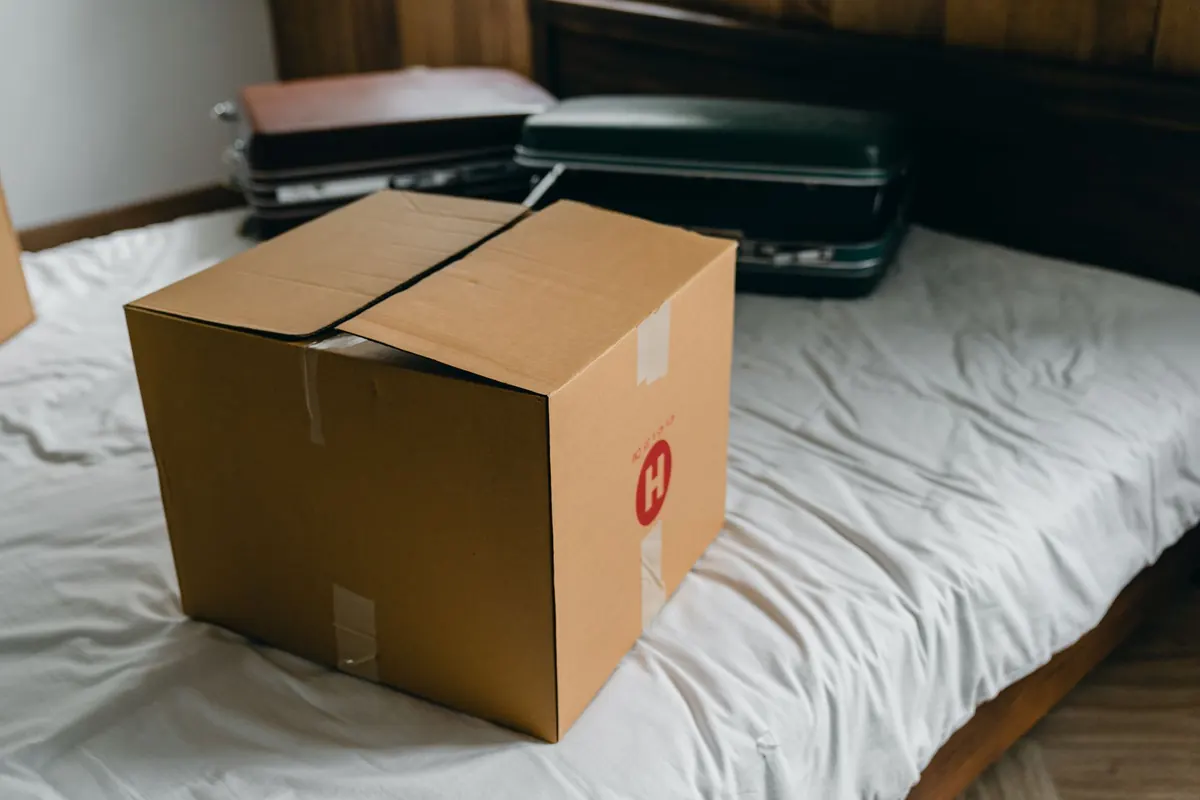
Under-bed space is either the most useful storage in your home or a graveyard of half-filled boxes you never open. The difference comes down to two things: choosing a container that matches your actual clearance, and being honest about what belongs down there.
Here's how the three main options compare, and what each one is genuinely good at holding.
Clearance is measured at the lowest point, not the highest. On a typical frame that's the side rail, a center support leg, or the bottom edge of a footboard. Slide a tape measure under the rail at the deepest spot you'd actually use and write the number down.
Two measurements matter more than people expect. First, clearance — a container has to fit with the lid closed and still let you tilt it out, so subtract an inch for carpet pile, which swallows small casters. Second, usable depth: the distance from the front edge of the bed to the wall, minus anything the frame blocks. If the bed sits in a corner, you have one working side, so favor shallow containers you can drag out by a handle or strap.
Beds without legs — platform beds, many upholstered frames — often leave a few inches at most, and no container solves that. Risers can lift a frame a few inches, but they only work on beds with separate legs, they must be rated for the weight, and they shouldn't be stacked. Raising a bed also changes how easy it is to get in and out, which is worth thinking about if anyone using it has balance or mobility concerns.
Fabric bags with zippers, handles, and sometimes a clear vinyl window are the default choice for a reason: they're inexpensive, they flex into awkward gaps, and they cost nothing to fold away when empty. They're also the easiest option to ruin.
A bag sold as six inches tall can bulge to eight once it's full, which is exactly how it ends up jammed under the rail instead of sliding out. Keep soft bags for light, soft contents: extra bedding, off-season clothes, spare pillows, kids' stuffed animals, shoes in individual cotton bags. Vacuum-compression bags work, but only if everything goes in bone dry, or you'll seal in dampness and open it months later to a smell you can't wash out.
Two fixes make soft bags behave. Slide a piece of stiff cardboard or thin plywood underneath so the bag acts like a tray you can pull out, and label the short end that faces the room, not the lid.
Flat plastic bins with casters and latching lids are the most reliable under-bed option, provided you buy the low-profile kind rather than a standard tote you hope will fit. Look for wheels set at the corners, a lid that clicks rather than rests, and a height that leaves you an inch of slack. A clear or translucent body saves you from opening four bins to find one thing.
They handle what bags can't: suitcases, winter boots, hand tools, seasonal decorations, sports gear, and gift wrap stored in a rigid tube or shallow box. They stack in a basement later, they wipe clean, and they keep dust and pests out. Their weakness is weight. A bin full of books or tile samples will not roll on carpet, and the plastic lip where you pull will eventually crack. Keep them to roughly what you can lift with one arm.
Freestanding drawer units and beds built with drawers are the nicest to live with. Nothing has to be lifted, dust stays out, and the space looks intentional. They're also the hardest to retrofit. Drawers need clearance to open, which means the bed has to sit far enough from the wall or furniture that the drawer can travel its full depth while you stand in front of it. In a small room, that's often the dealbreaker.
Before buying a drawer unit, measure the open drawer plus your own footprint — usually about two feet of standing room. And resist overloading: drawers under a bed flex, and a bowed drawer is a permanent problem.
This space is dark, still, and usually the coldest part of the room. That rules out more than people realize.
One more caution: if you live somewhere humid, or the bed sits on a concrete floor, treat under-bed storage as semi-permanent. Check contents once or twice a year rather than assuming they're fine. For anything valuable, sentimental, or legally important, a climate-controlled space or a safe deposit arrangement is worth the cost.
Pick one container type per side of the bed. Mixed bins jam against each other and waste the inches you measured so carefully. Keep a written or phone-noted inventory taped inside the lid of each bin, and do a seasonal swap — winter gear out in spring, summer gear out in fall — so the space keeps earning its place.
Then leave a little room. Under-bed storage works best at about 85 percent full, because the extra space is what lets you pull things out without a fight.
Photo: Ketut Subiyanto / Pexels
A step-by-step seasonal closet swap for small apartments: timing the switch, sorting and packing off-season clothes,...
An eight-week moving-day packing timeline that breaks sorting, boxing, labeling, and last-minute essentials into...
October 13, 2026 - Organization
October 12, 2026 - Packing
October 09, 2026 - Decluttering
Copyright © 2026 The Stow Guide. All Right Reserved.