Seasonal Closet Swap Checklist for Small Apartments
October 13, 2026 - Organization

October 13, 2026 - Organization
October 12, 2026 - Packing

October 09, 2026 - Decluttering

October 08, 2026 - Home Spaces
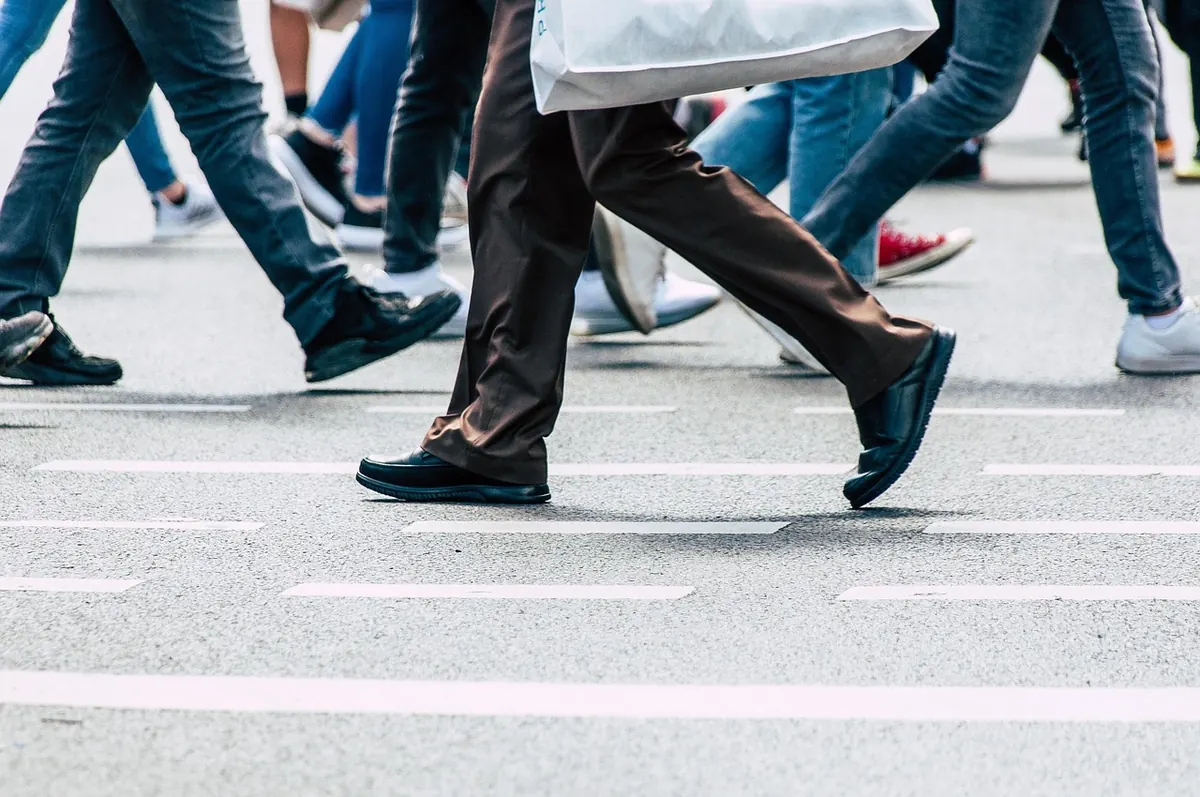
The entryway is the smallest space in most homes and the one that works hardest. Everyone passes through it, usually in a hurry, often carrying something. Coats come off, shoes come off, mail comes in, bags get dropped. Without a plan for any of it, the space quietly absorbs everything and turns into a pile you step over on your way to the kitchen.
The encouraging part: entryway clutter is rarely about owning too much. It's almost always about a handful of decisions nobody ever made. Here are seven mistakes that keep entryways messy, and what to do instead.
An entryway has one main job: to move things through. Coats go to closets, shoes go to racks, mail goes to a desk, groceries go to the kitchen. The moment the entryway starts holding things instead of passing them along, it stops being a room and becomes a warehouse.
A simple rule helps here. Anything sitting in the entryway that isn't used at least weekly doesn't belong there. Keep a small basket or canvas tote by the door for library books, returns, borrowed dishes, and donations, then take it with you the next time you leave the house. The basket is allowed to hold things for a few days. The floor isn't.
Shoe piles grow one pair at a time, and each pair lands wherever it was kicked off. Soon you have a mound that nobody wants to touch, and sorting it feels like a chore instead of a two-second habit.
What works is a limit, not a bigger pile. Try a boot tray or shallow mat near the door for the shoes currently in rotation, and give each person in the house one open pair at a time. Everything else goes into a closed cabinet, a lidded bin, or a shoe rack that actually holds the pairs you own. A tall wire rack invites chaos because nothing is contained; a shallow cabinet with doors looks calmer and hides the mess on busy mornings.
Two details make this stick. First, buy a tray with a raised edge if you deal with rain, snow, or muddy sports fields, since wet soles ruin floors and floor mats alike. Second, put the rack where the shoes are already landing. If you move the shoes two rooms away, they'll come back.
A single hook by the door sounds like a solution until four people share it. Then it becomes a tangle of keys, lanyards, and dog leashes, and everyone still pats their pockets on the way out.
Give each household member a small tray, bowl, or labeled hook. One tray per person is better than one big tray for the family, because it makes the missing item obvious. The test is whether you can drop your keys without looking and find them again at seven in the morning.
Resist the urge to store everything in the entryway. Wallets, spare keys, and transit passes are best kept out of sight from windows and glass doors, so a closed drawer or a small lidded box beats an open display. Sunglasses, headphones, and umbrellas can live openly, since they're not worth protecting.
Paper is the fastest clutter in any entryway because it arrives daily and arrives in volume. Every unopened envelope is a postponed decision, and decisions stack up faster than paper does.
Handle mail standing up, ideally over the recycling bin. A three-part routine covers almost everything:
Shred anything with an account number or personal details rather than letting it sit in a pile. And if the counter is the only surface available, protect it — a small tray keeps the paper from spreading into every corner of the room.
A bench with four woven baskets looks wonderful in a photograph and turns out to be wrong for wet boots, bulky backpacks, and a family of five. Baskets with no lids hide nothing and hold almost nothing.
Sort first, measure second, shop third. Count the shoes that actually live near the door, note the longest coat, check the depth of the space behind the door, and measure the swing of the door itself. Write those numbers down before you go shopping. It's easier to find a cabinet that fits your hallway than to rebuild your hallway around a cabinet.
Most entryways have far more wall space than floor space, and the walls usually go unused. Hooks at varied heights, an over-door rack, a shelf above the coat rod, or a narrow wall-mounted cabinet can carry a surprising amount of weight without eating a single square inch of walking room.
One thing to plan for: children can't reach adult-height hooks, so add a lower row for backpacks and jackets. Kids who can hang up their own coat at four feet off the ground are kids who actually do it.
An entryway that works in January falls apart in June if nothing moves. Winter coats, boots, and gloves crowd shelves that should be holding sun hats and light jackets. Twice a year, pull out what the season doesn't require, wash or wipe it down, and store it in a labeled bin somewhere else. The entryway should only hold what the next three months will use.
Then there's the smaller rhythm: a weekly two-minute reset. Straighten the shoe tray, empty the outbox basket, clear the "to deal with" file, and wipe the surface where keys land. Two minutes once a week prevents the deep clean that nobody wants to do.
If the entryway has gotten away from you, start here rather than rethinking the whole space:
Do that once, then keep the smaller habits going: shoes on the tray, keys in their spot, mail handled at the door. A clear entryway isn't about discipline. It's about a few good decisions made once, then repeated without thinking.
Photo: wal_172619 / Pixabay
A step-by-step seasonal closet swap for small apartments: timing the switch, sorting and packing off-season clothes,...
An eight-week moving-day packing timeline that breaks sorting, boxing, labeling, and last-minute essentials into...
October 13, 2026 - Organization
October 12, 2026 - Packing
October 09, 2026 - Decluttering
Copyright © 2026 The Stow Guide. All Right Reserved.