Seasonal Closet Swap Checklist for Small Apartments
October 13, 2026 - Organization


October 13, 2026 - Organization

October 12, 2026 - Packing

October 09, 2026 - Decluttering

October 08, 2026 - Home Spaces
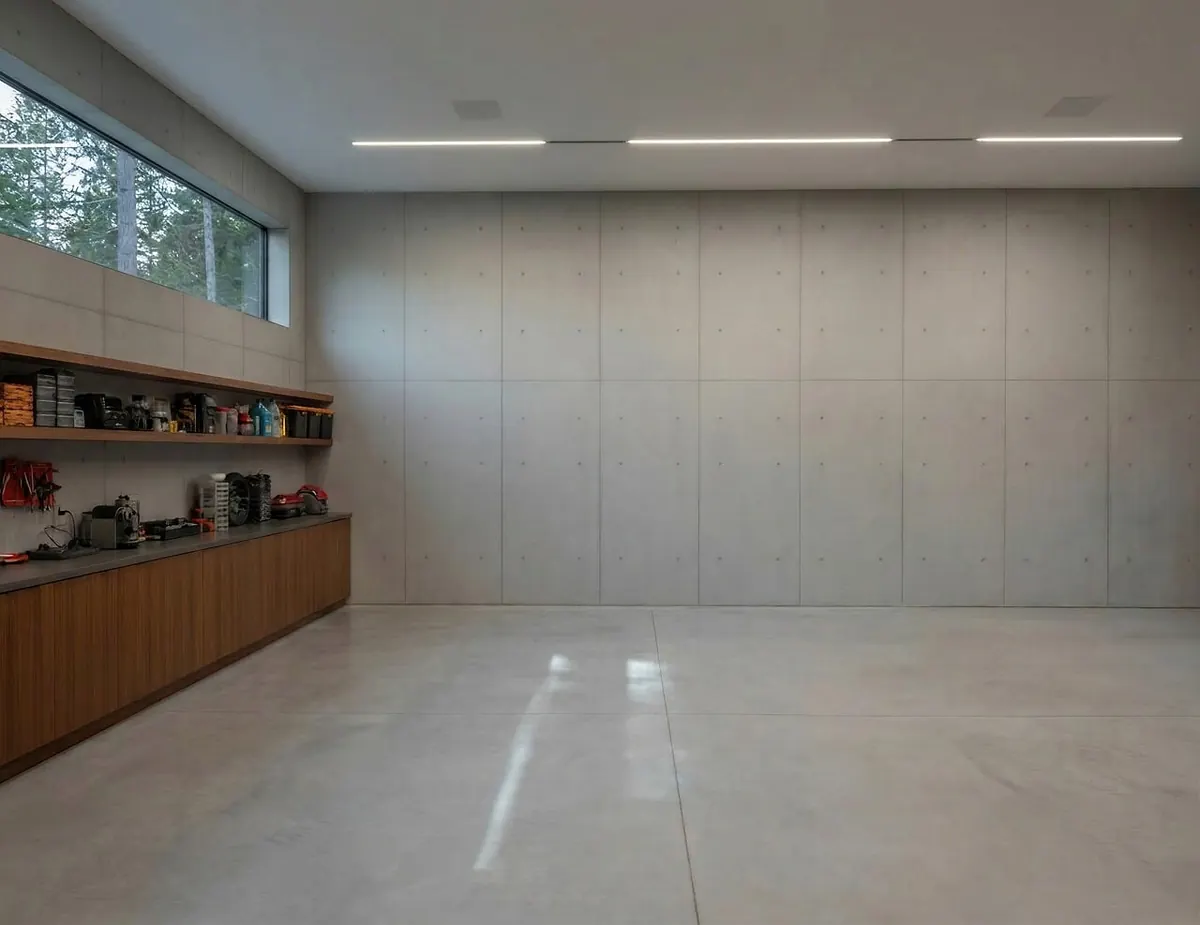
A garage has to be three rooms at once: a workshop, a locker room, and a warehouse for everything seasonal. That is why storage there fails so often. Shelving bought for paint cans ends up holding hockey sticks; hooks meant for bikes vanish behind bags of potting soil. The fix is rarely one perfect product. It is matching the right format to each category of stuff, then arranging those formats so the floor stays clear. Here is how shelving, wall racks, and cabinets actually compare, and where each one earns its space.
Empty one wall, or half the garage, onto the driveway. Then sort by use rather than by size, because how you use something decides where it should live.
Before you buy anything, write down three numbers: the tallest item you own, the longest item, and the heaviest single item. A snowblower needs floor space. A kayak needs length. A stack of tires needs a rack rated for the load. Those three numbers will drive your choices more than any brand name.
Shelving is the default for a reason. Boltless steel rivet shelving and wire units hold a lot, adjust in a few inches, and cost less per cubic foot than anything else in the garage. You can reconfigure a shelf in a minute when your needs change, and you can see what you own at a glance.
The trade-offs are dust, visual noise, and no security. Wire shelves let small parts tip through the gaps, so line them with plywood or set everything in bins. Particle-board utility shelves sag over time under heavy loads, especially in a humid garage, so keep paint, detergent, and bags of salt off the top shelf and spread weight across the span. Whatever you buy, check the per-shelf load rating and anchor the unit to wall studs.
Three habits make shelving work harder:
Your walls are free square footage. A track system with movable hooks, a set of ladder hooks, or a pair of overhead pulley racks can clear an entire corner of the floor. This is the best category for anything long, light, and shaped like a problem: ladders, extension poles, folding tables, skis, garden tools, hoses, bikes.
The catch is that racks are only as strong as what they are attached to. Hooks must land in studs, or in blocking you install yourself, or in heavy-duty anchors rated for the load. Do not guess with a knock on the wall; use a stud finder and confirm the spacing. Keep long items stored high but not so high that lifting them down is a two-person job, and keep anything overhead clear of the path of a car if you park inside.
Hook systems are also the least forgiving of clutter creep. A hook with nothing on it invites you to hang something random. Assign each hook one job and stick to it.
Cabinets do what open storage cannot: they hide the mess, keep dust and sawdust off clean items, and give you a flat top for a workbench. Base cabinets with a countertop turn a wall into a usable work zone. Tall lockers swallow rakes, brooms, and folding chairs in one motion.
They cost more, and the layout is fixed once installed, so measure twice. Level them with shims, since most garage floors slope toward the door, and leave a small gap behind so moisture can dry. A lockable cabinet is the sensible home for paint, solvents, and sharp tools if children or pets share the space. For anything genuinely flammable or corrosive, follow the manufacturer's instructions and your local rules rather than treating a household cabinet as a substitute for proper chemical storage; if you are unsure, ask your fire department or a safety professional.
Most garages work best with a mix, organized by zone rather than by product.
Pick the wall you see first when the door opens. Empty it, clean it, install one storage format there, and live with it for a week. You will learn quickly whether you bought enough capacity, whether the top shelf is too high, and whether a hook is where you actually reach for it. Then repeat the process on the next wall. A garage that stays organized is built in passes, not in one expensive Saturday.
Photo: TheDigitalArtist / Pixabay
A step-by-step seasonal closet swap for small apartments: timing the switch, sorting and packing off-season clothes,...
An eight-week moving-day packing timeline that breaks sorting, boxing, labeling, and last-minute essentials into...
October 13, 2026 - Organization
October 12, 2026 - Packing
October 09, 2026 - Decluttering
Copyright © 2026 The Stow Guide. All Right Reserved.